Genius Mining Cross-Section Deep Dive (Cont.)
Evaluating liquidity decisions and anticipating the Airdrop

We have previously covered miner distribution and long term mining behavior here .It would be interesting to look at some of the other aspects adjacent to mining participation, especially in light of the Airdrop and the upcoming v2 release.
Mining Tail
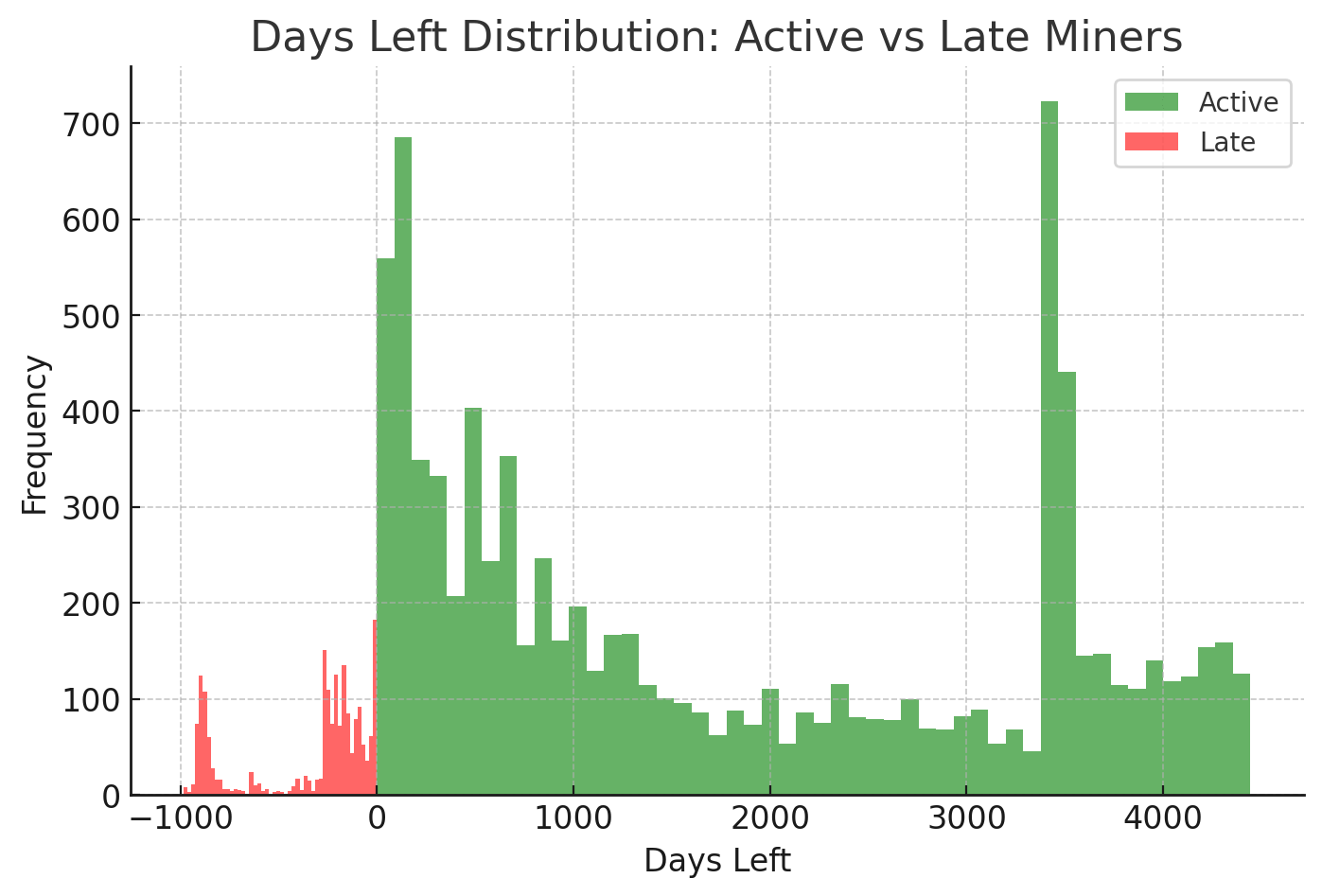
Out of all 10K+ miners currently in existence some part of the population is late to the degree that they may not play a significant role in being economical enough to profitably end or maintained or cared for enough to carry over to the v2. This in my mind plays a role in potential supply number of tokens on v2.
Some stats:
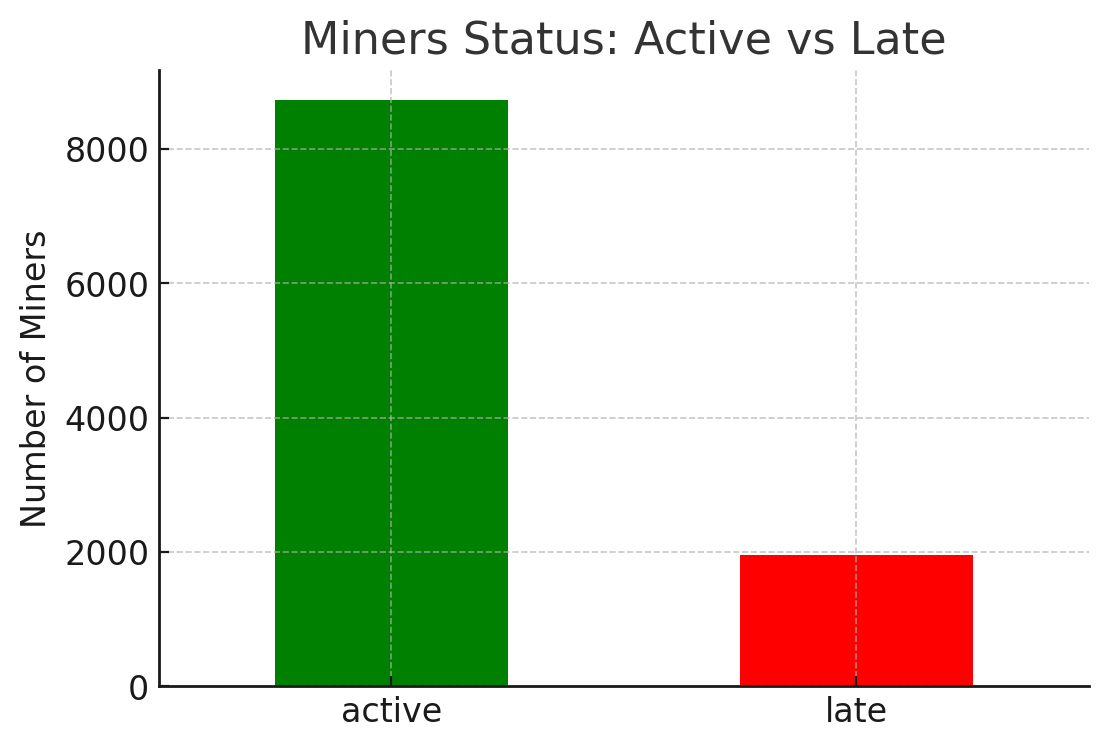
Active miners: 8,733
Late miners: 1,953
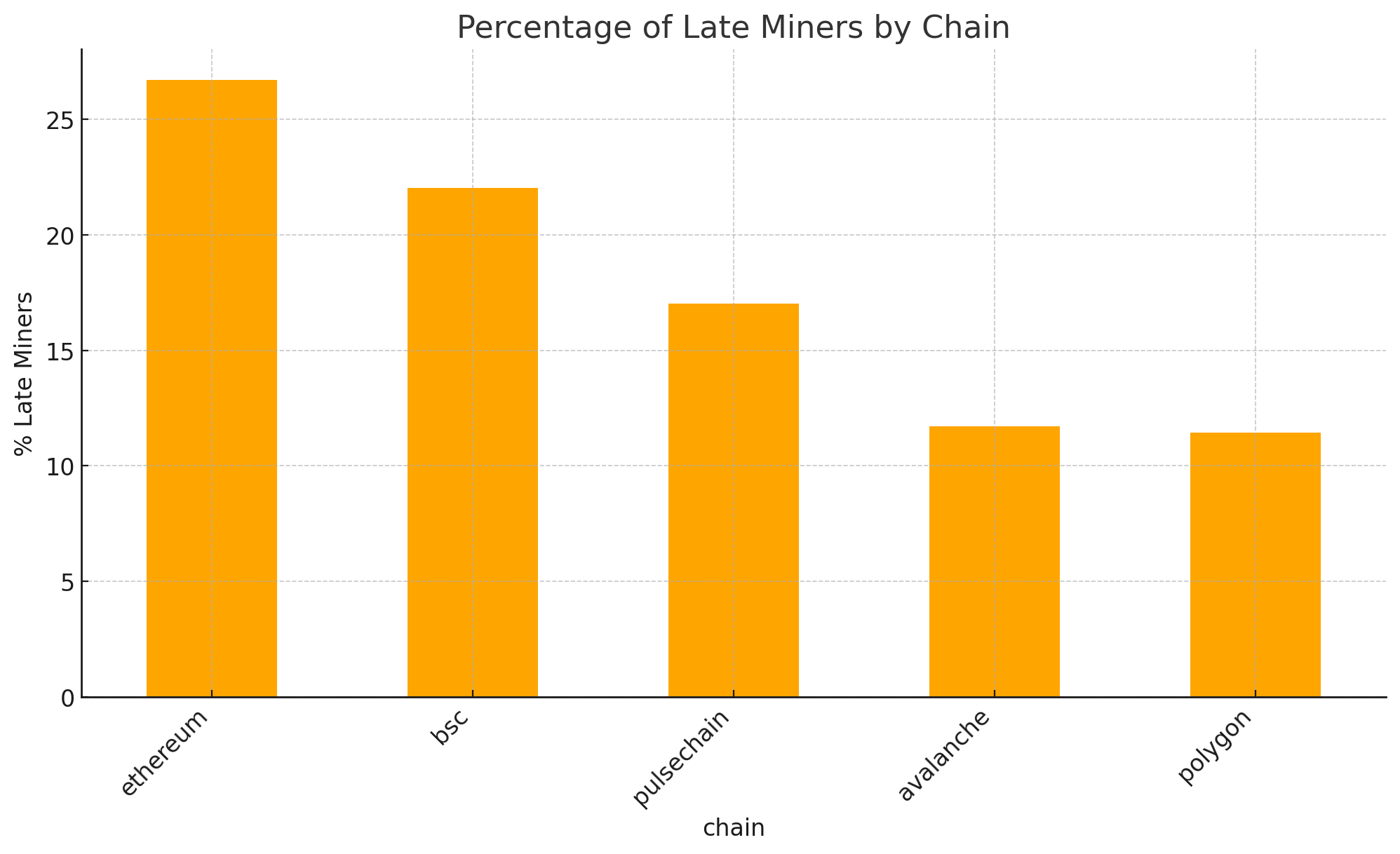
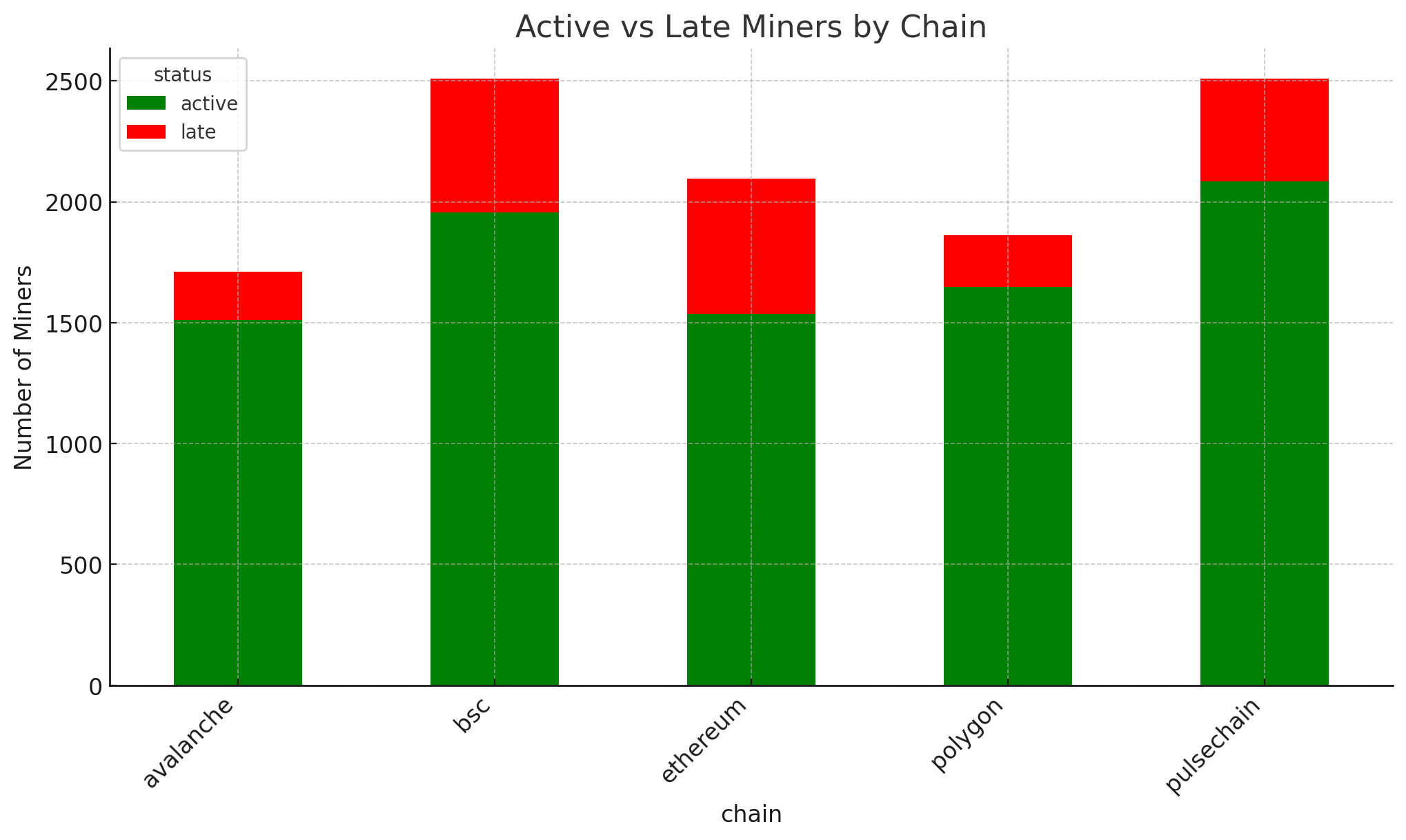
Avalanche: 1,510 active, 200 late → ~11.7% late
BSC: 1,956 active, 553 late → ~22.0% late
Ethereum: 1,536 active, 560 late → ~26.7% late (highest share of late miners)
Polygon: 1,648 active, 213 late → ~11.4% late
Pulsechain: 2,083 active, 427 late → ~17.0% late
Locked tokens in late miners: ≈ 37.9 billion
In terms of value and share power:
Active miners:
Locked tokens: ≈ 555.0 billion
Locked shares: ≈ 342.6 million
Late miners:
Locked tokens: ≈ 37.9 billion
Locked shares: ≈ 21.1 million
So about 6–7% of all locked tokens and shares are currently late, while the vast majority is still actively locked.
Locked Late Tokens
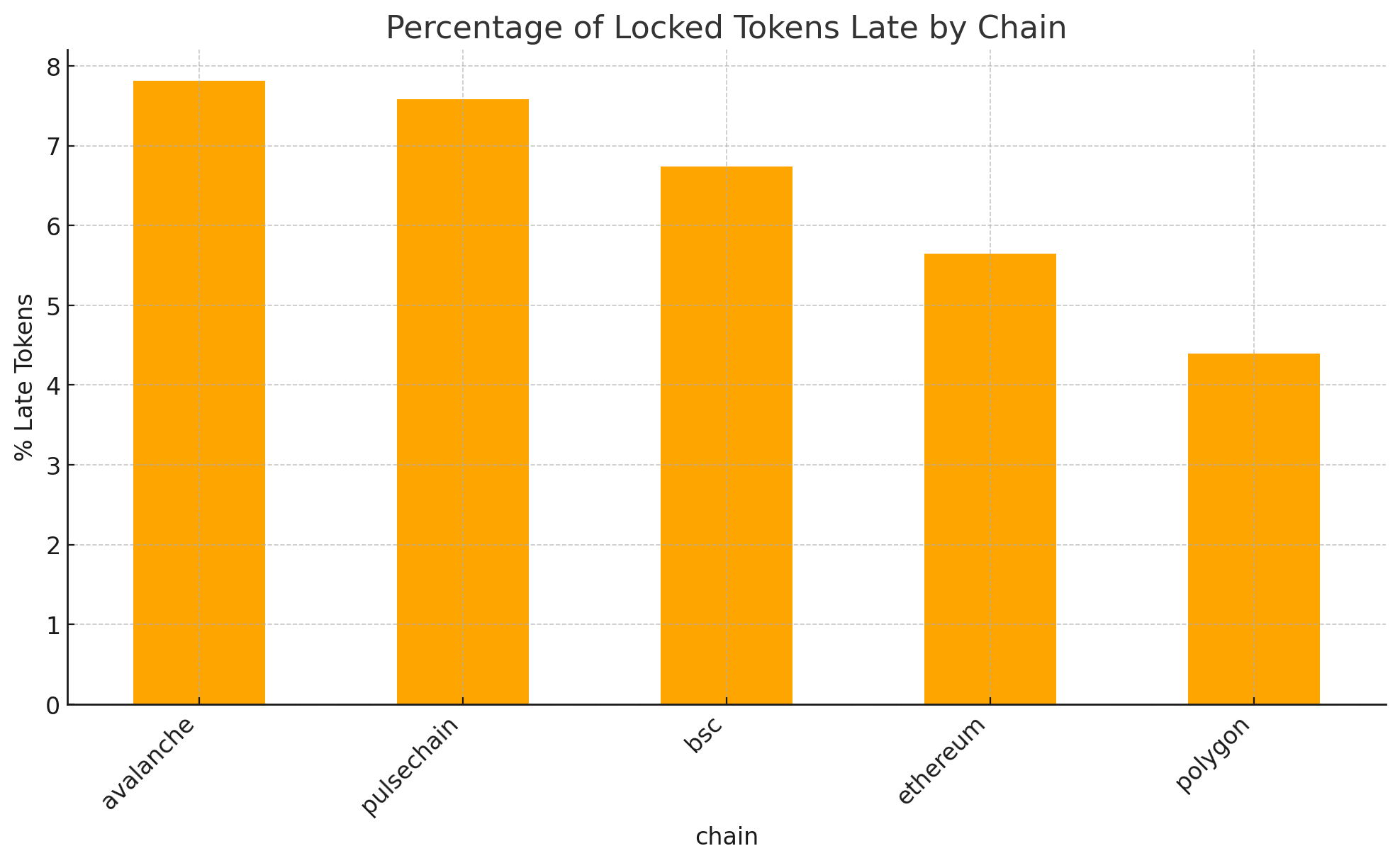
Avalanche: 99.7B active, 8.5B late → 7.8% late
BSC: 104.3B active, 7.5B late → 6.7% late
Ethereum: 129.9B active, 7.8B late → 5.6% late
Polygon: 110.0B active, 5.1B late → 4.4% late
Pulsechain: 111.1B active, 9.1B late → 7.6% late
Locked Late Shares
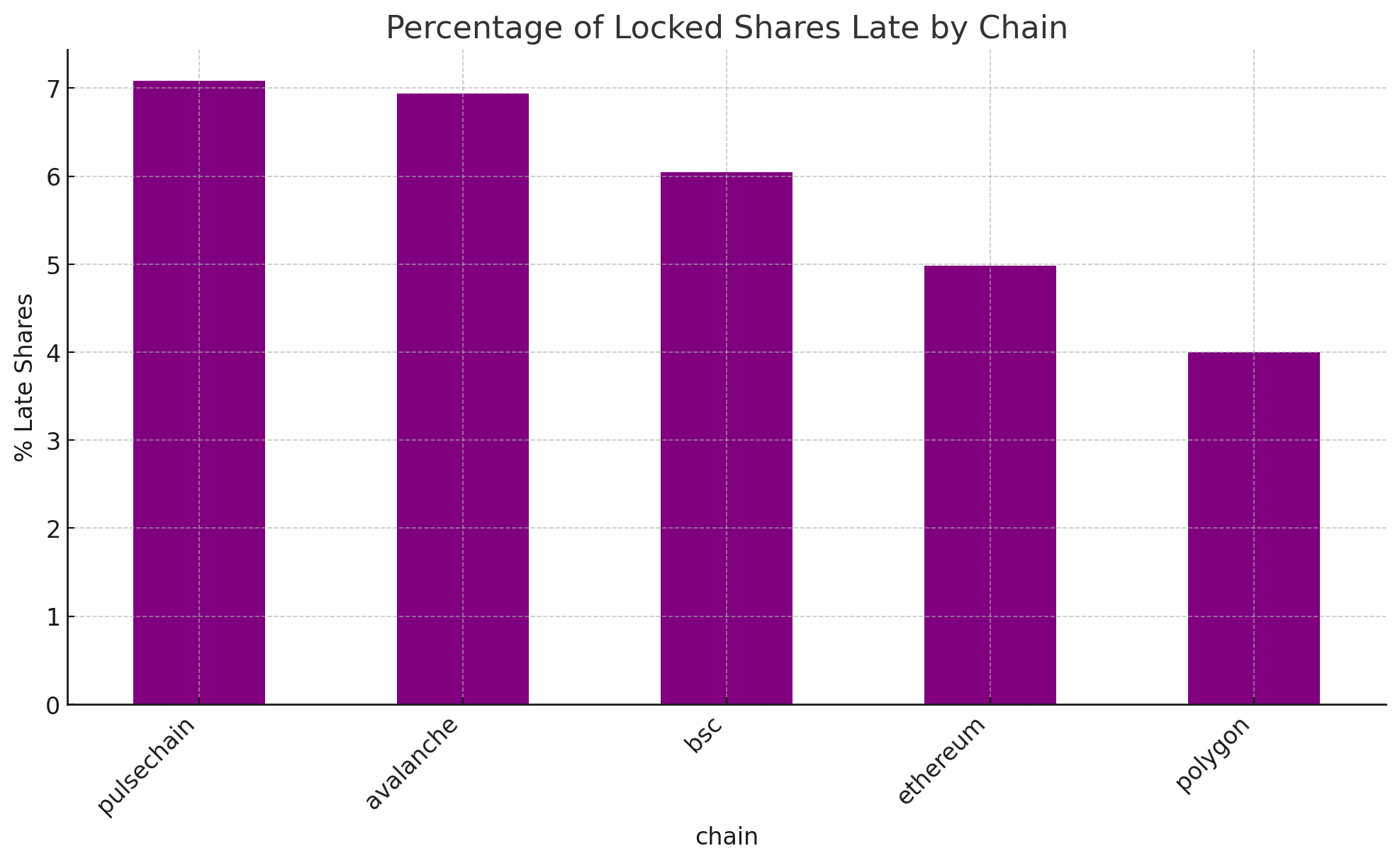
Avalanche: 64.4M active, 4.8M late → 6.9% late
BSC: 63.9M active, 4.1M late → 6.0% late
Ethereum: 79.8M active, 4.2M late → 5.0% late
Polygon: 65.6M active, 2.7M late → 4.0% late
Pulsechain: 68.9M active, 5.3M late → 7.1% late
Looks like Avalanche and Pulsechain have the highest proportion of late value (~7–8%).
Polygon and Ethereum are more efficient, with only ~4–5% of value late.
Miner Liquidity vs. Non-Miner Liquidity
As far as liquidity goes, not all are mining and not all miner wallets approach mining with full holdings, and some hold liquid positions.
The breakdown is as follows:
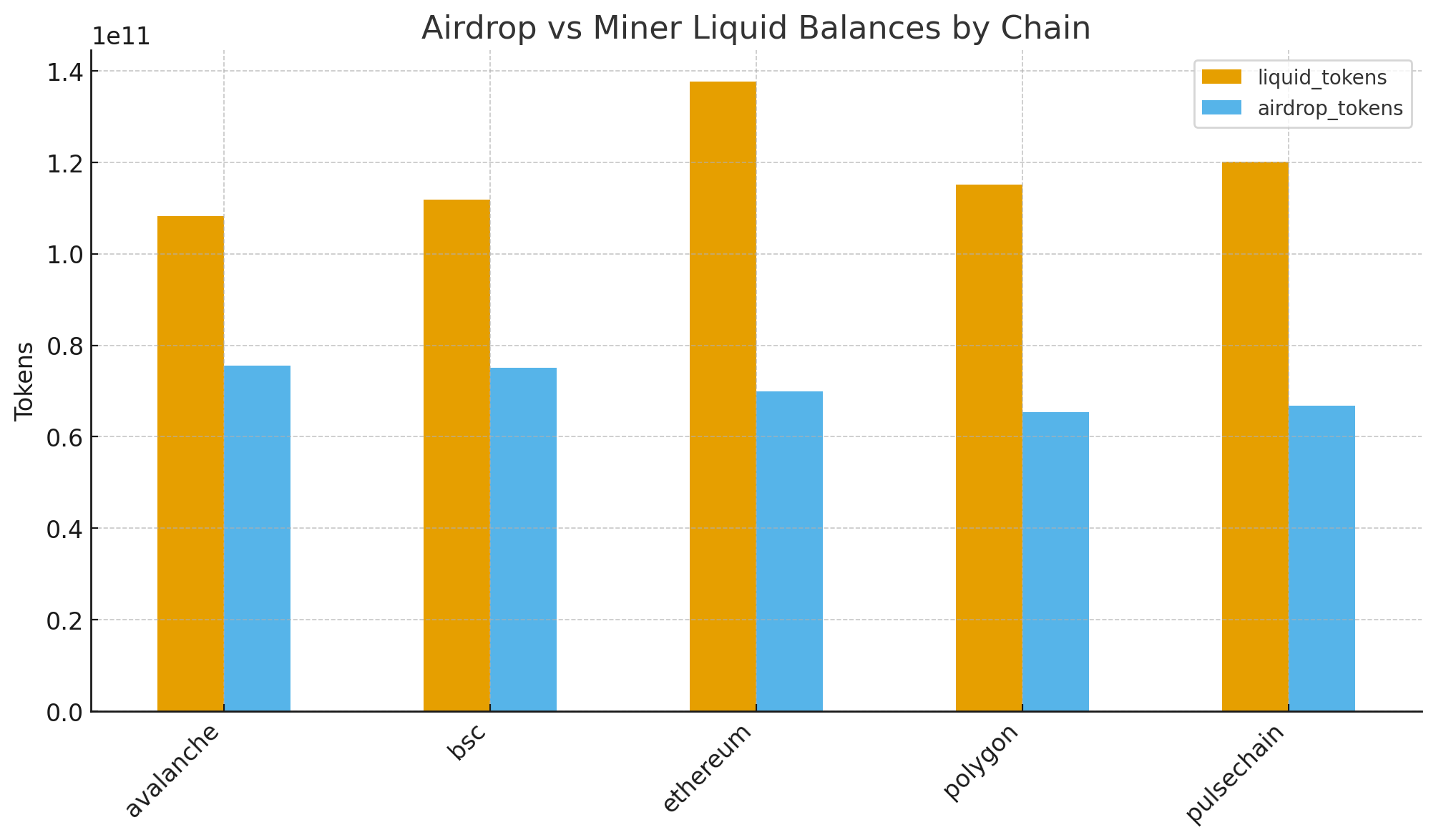
Miners: ~176B Geni tokens
Non-miners: ~626B Geni tokens
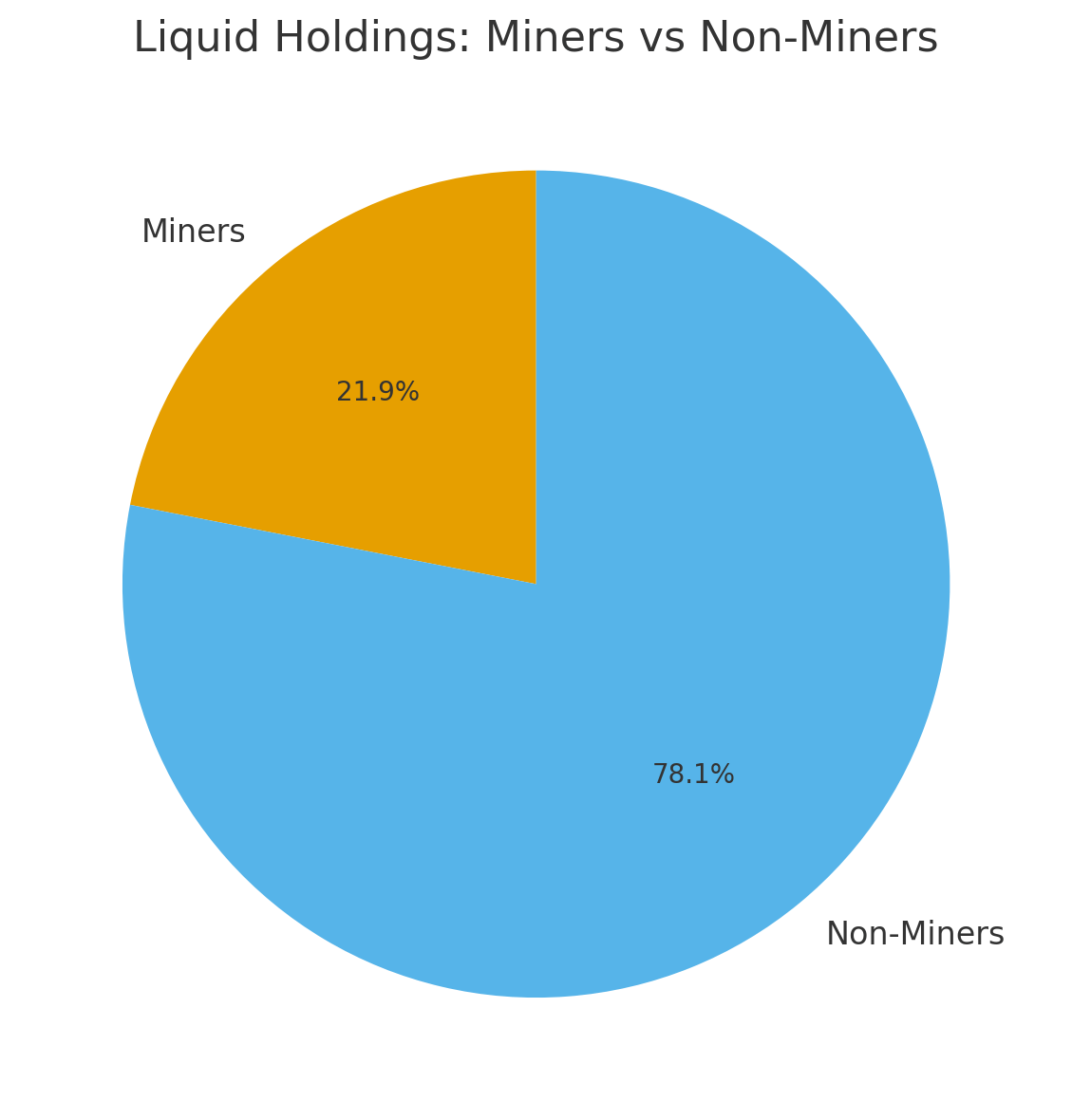
Miner and non-Miner Liquidity
Locked in miners 592,985,949,657
Liquid not locked in miners : 175,929,683,379
Total liquid Geni tokens: 626,242,626,031
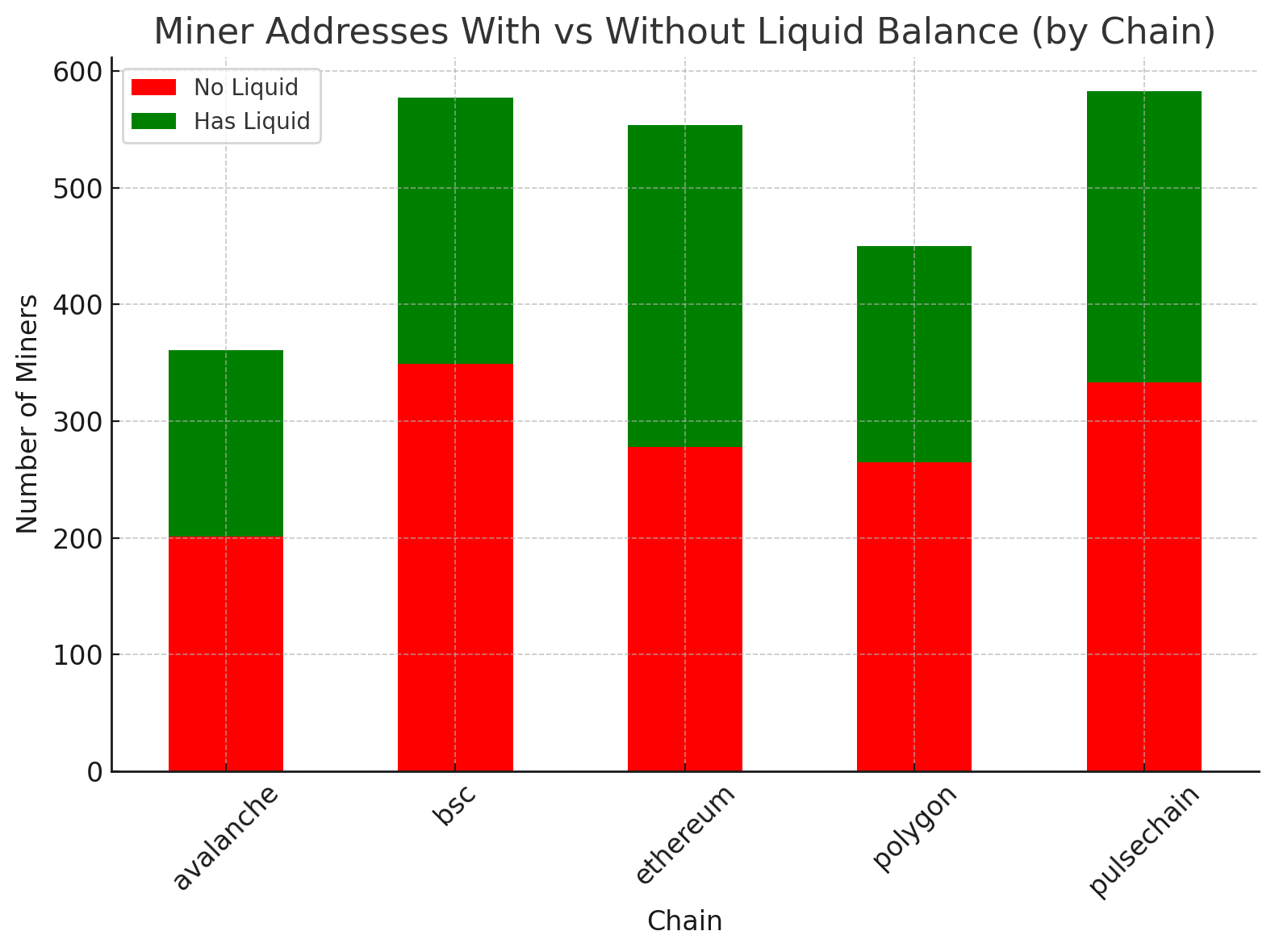
Total liquidity with Miner addresses
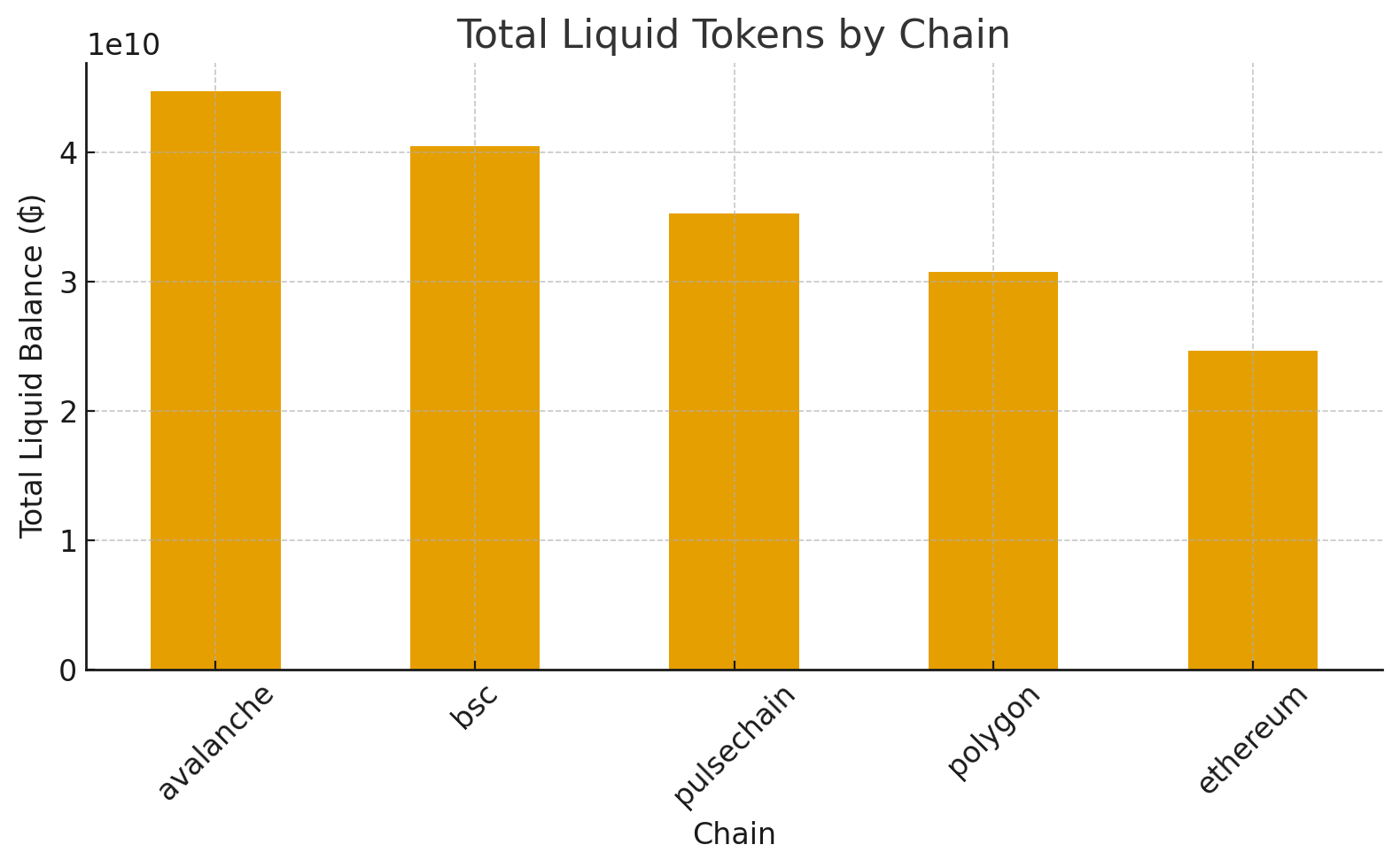
The following trends emerge from the data:
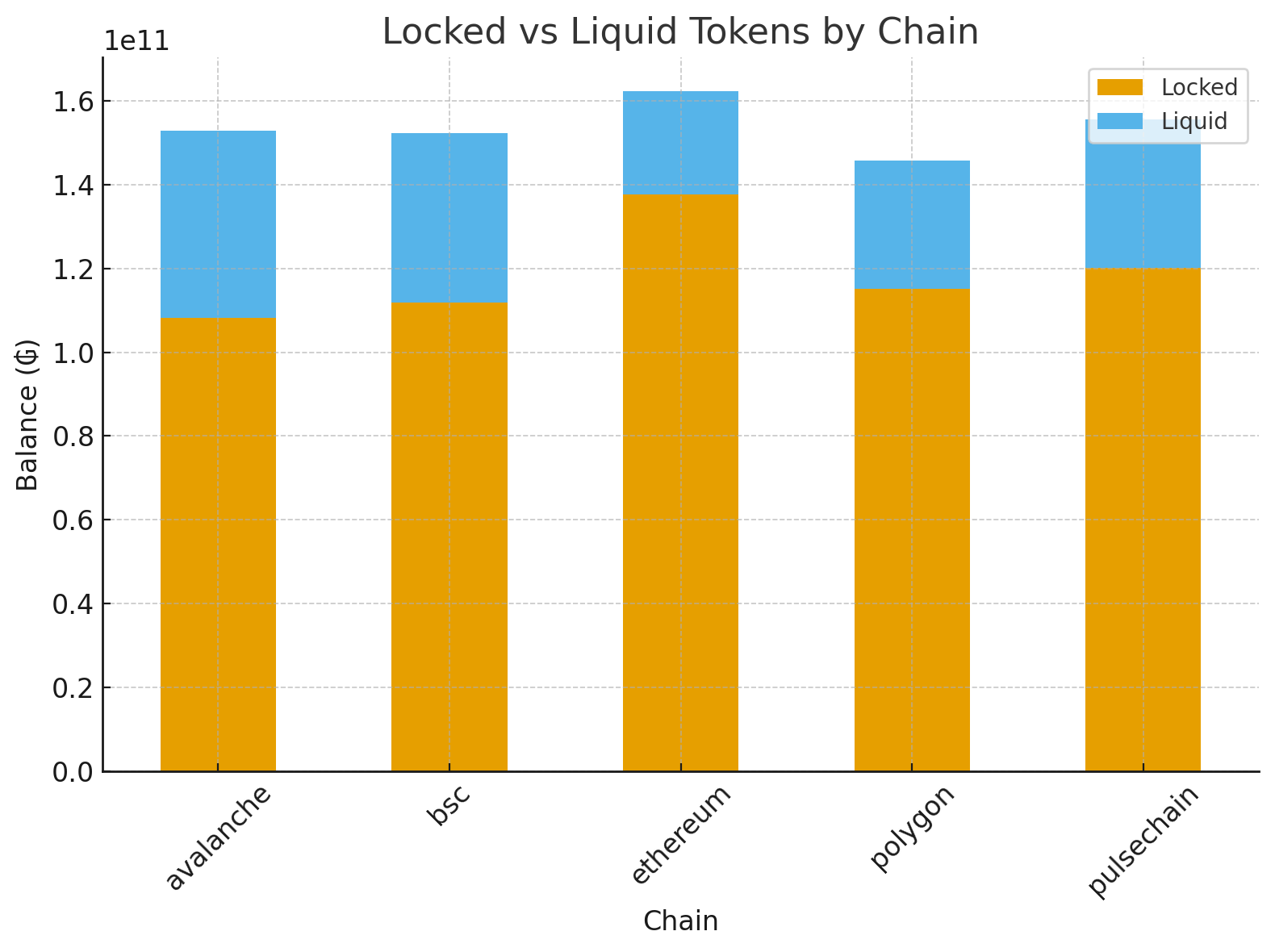
Avalanche and BSC dominate liquid balances, with Ethereum trailing.
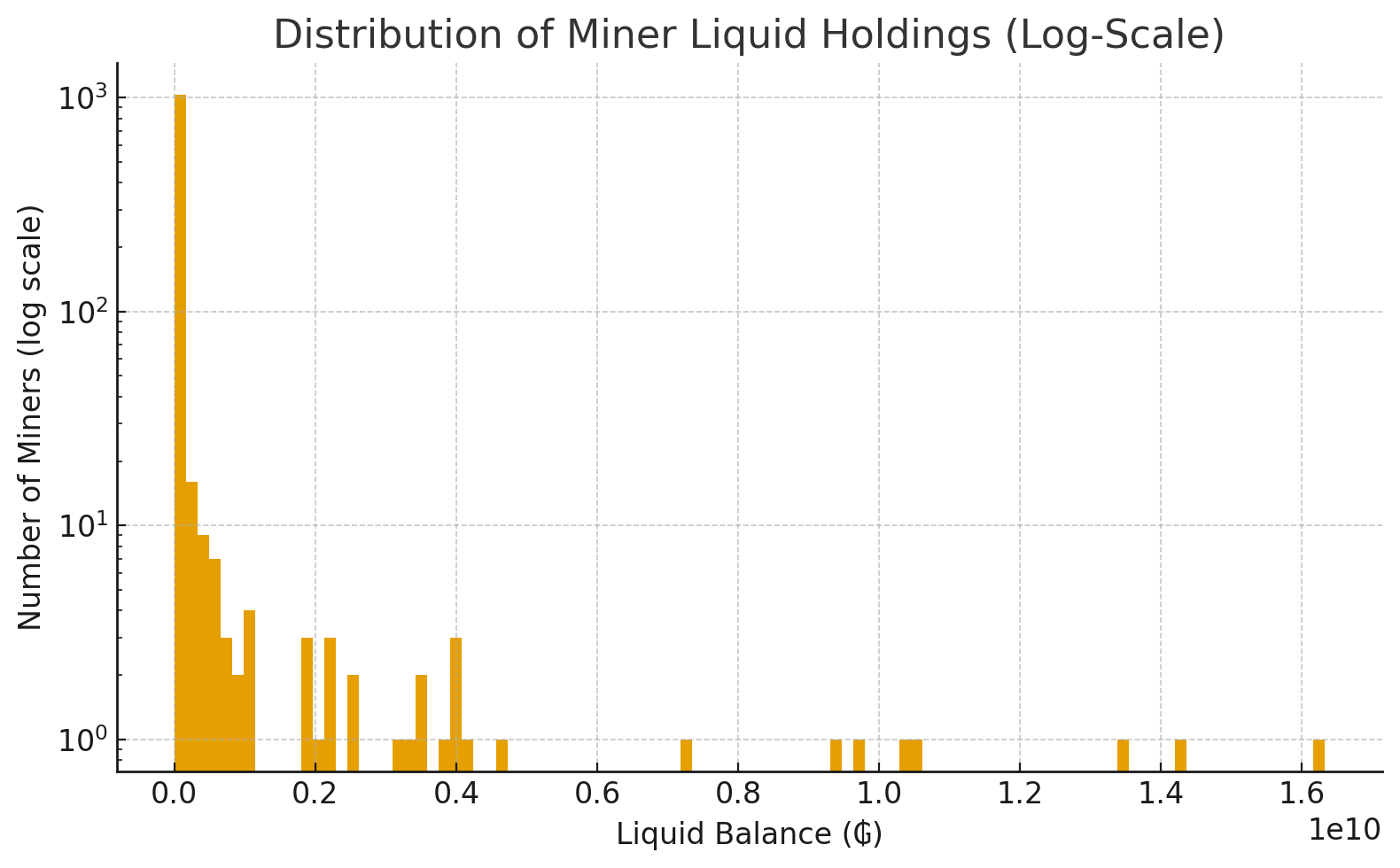
Most miners have negligible or zero liquid balance, while a small fraction hold billions.
Avalanche stands out with the highest liquidity ratio, while Ethereum remains the most locked-heavy.
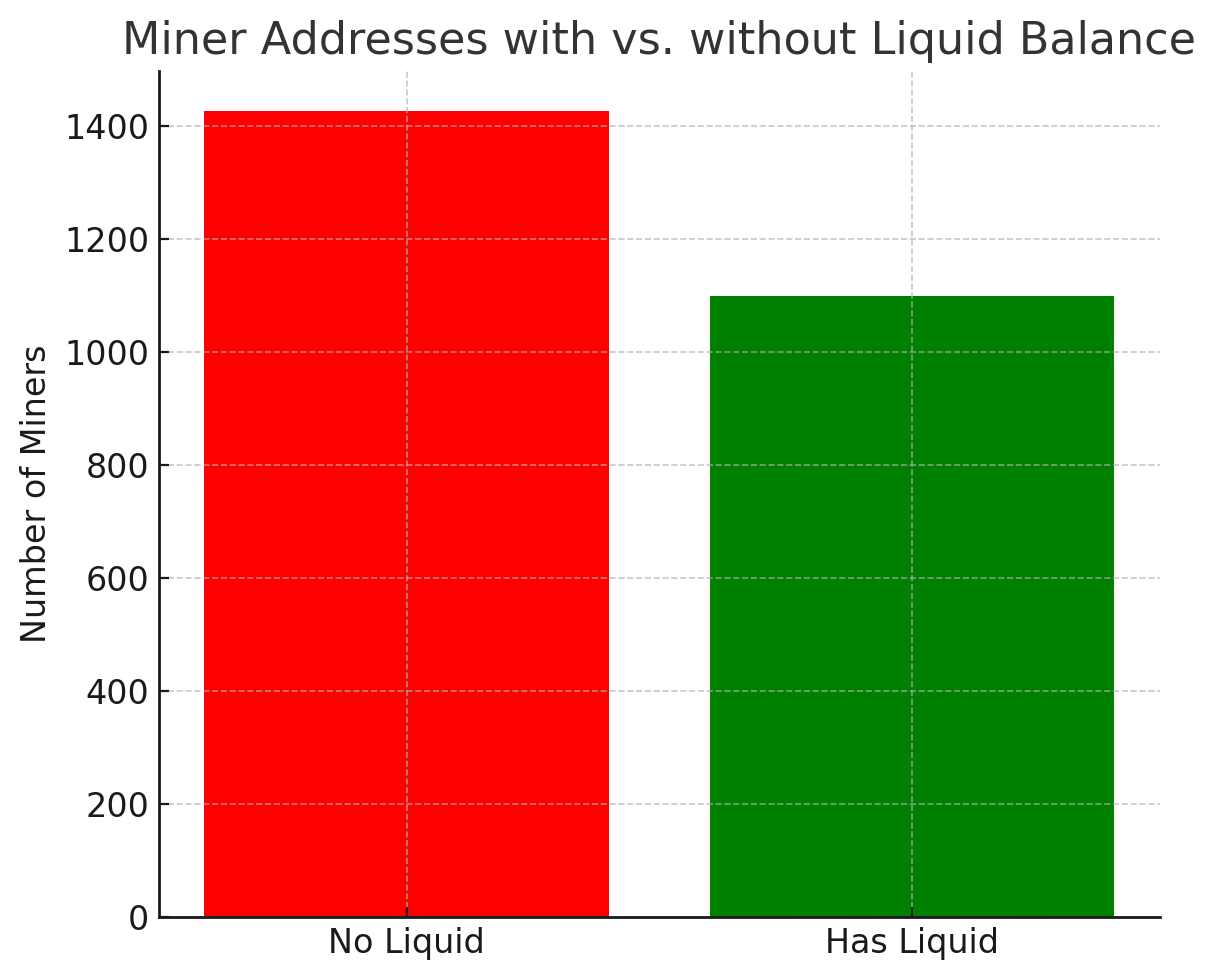
1,426 miners (56.5%) → hold no liquid balance
1,099 miners (43.5%) → have some liquid balance
Ethereum as the most balanced between liquid vs. no-liquid miners, while Avalanche and BSC skew more toward no-liquid addresses
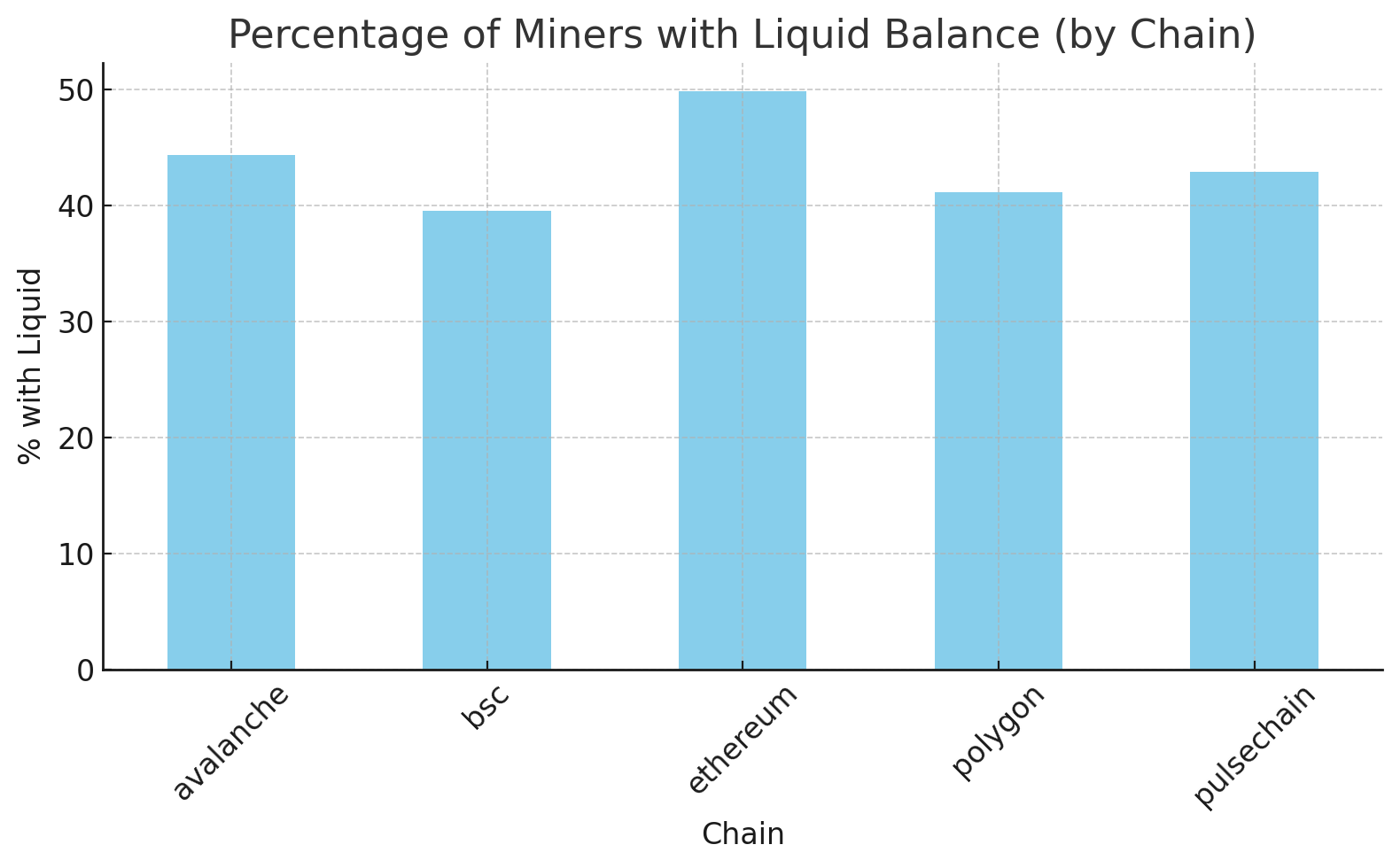
Here are the percentages of miners with liquid balance per chain:
Ethereum: 49.8% (most balanced chain)
Avalanche: 44.3%
Pulsechain: 42.9%
Polygon: 41.1%
BSC: 39.5% (lowest share of liquid-holding miners)
Ethereum stands out with nearly half of its miners holding some liquid balance, while BSC miners are the most tilted toward having none.
Most miners lock their full positions.
Airdrop
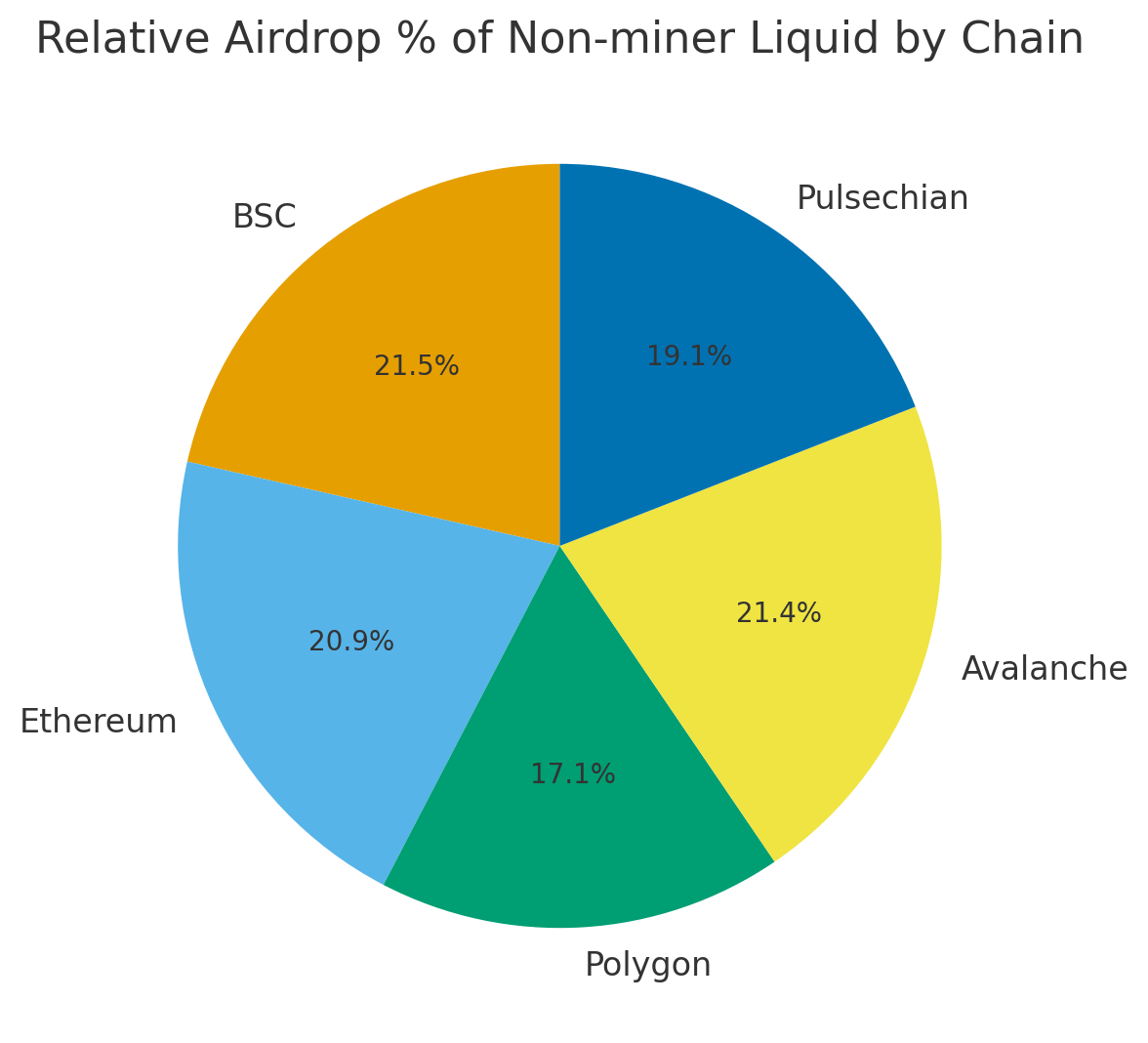
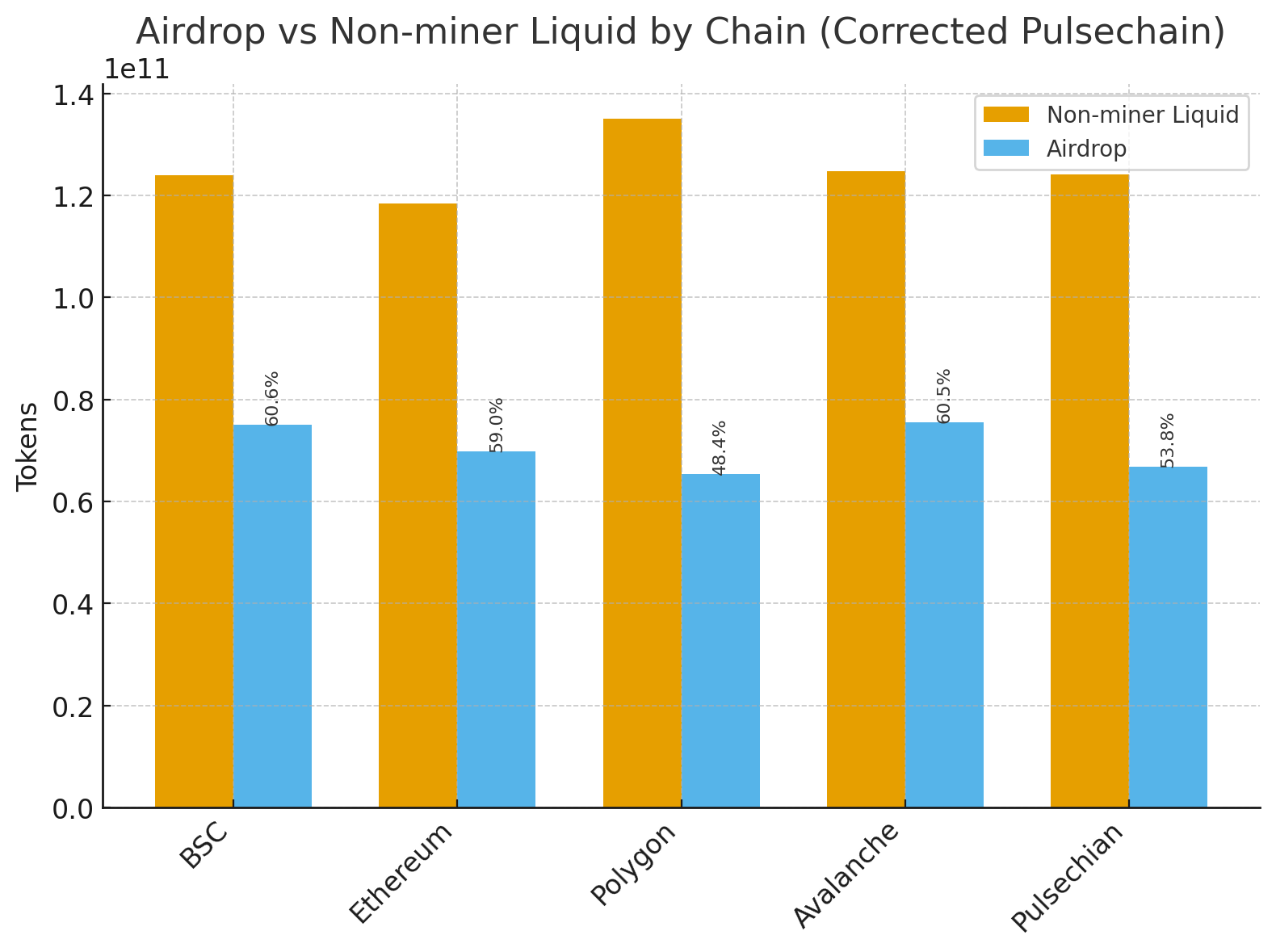
To understand the moves miners and non-miners make we have to also look into the Airdrop participation. How did miners and non-miners voted in the airdrop?
Here is the breakdown of Geni tokens sent to the airdrop:
Geni BSC - 75,035,304,934
Geni Ethereum - 69,864,278,104
Geni Polygon - 65,395,442,672
Geni Avalanche - 75,486,529,910
Geni Pulsechian - 66,773,246,061
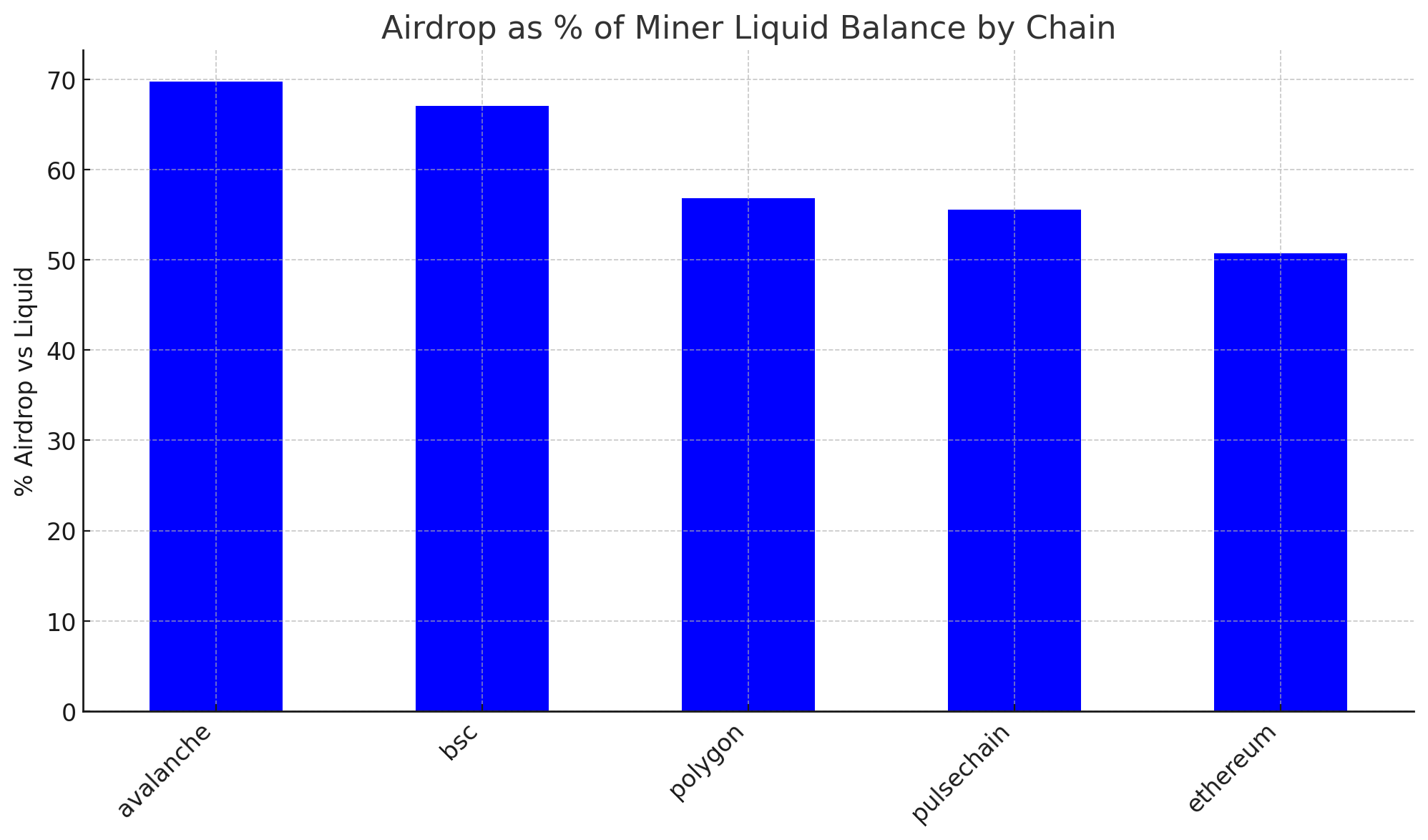
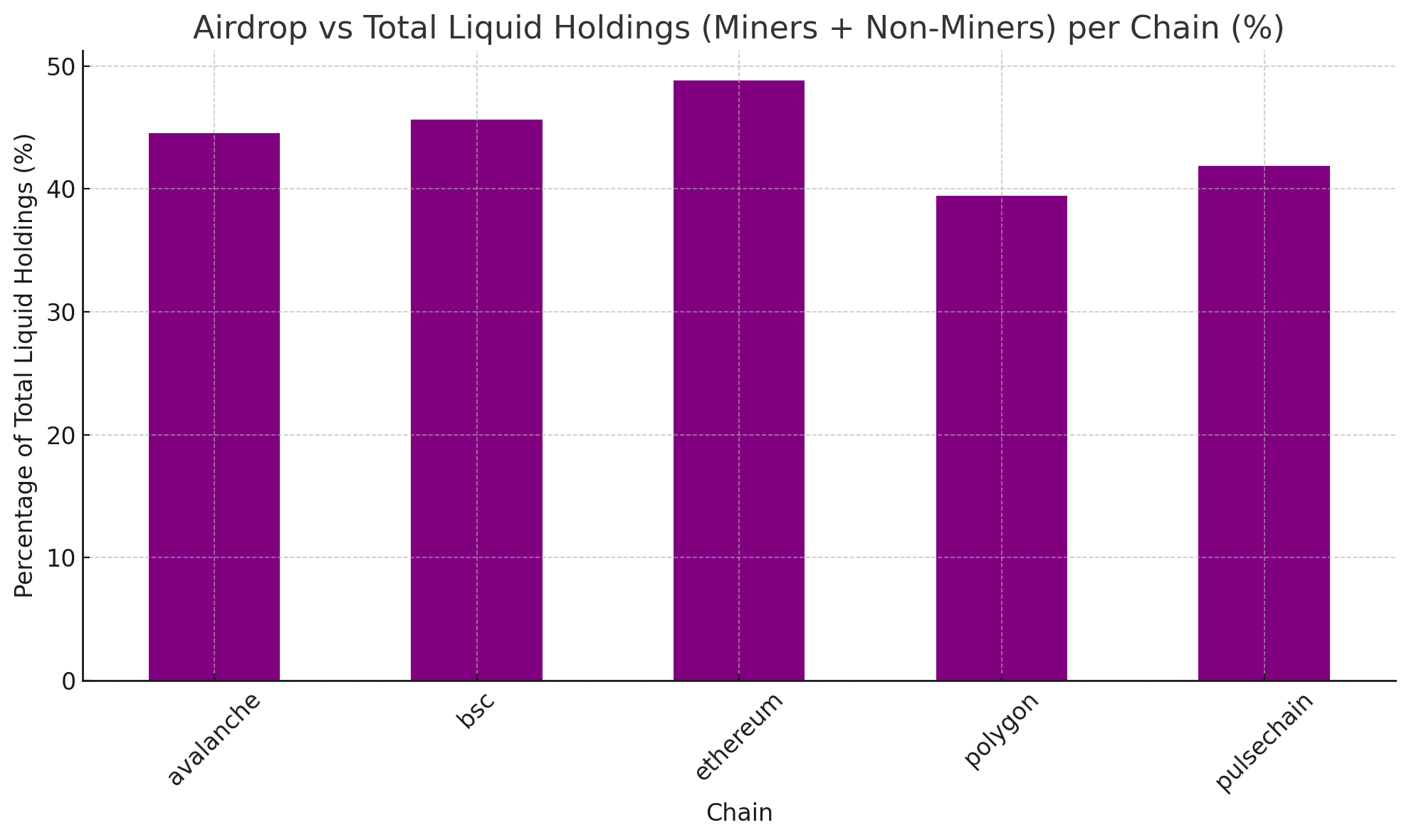
Airdrop size relative to total liquid holdings (miners + non-miners) per chain:
Avalanche: 44.5%
BSC: 45.6%
Ethereum: 48.8%
Polygon: 39.4%
Pulsechain: 41.9%
So across chains, the airdrop represents roughly 40–49% of all liquid GENI holdings
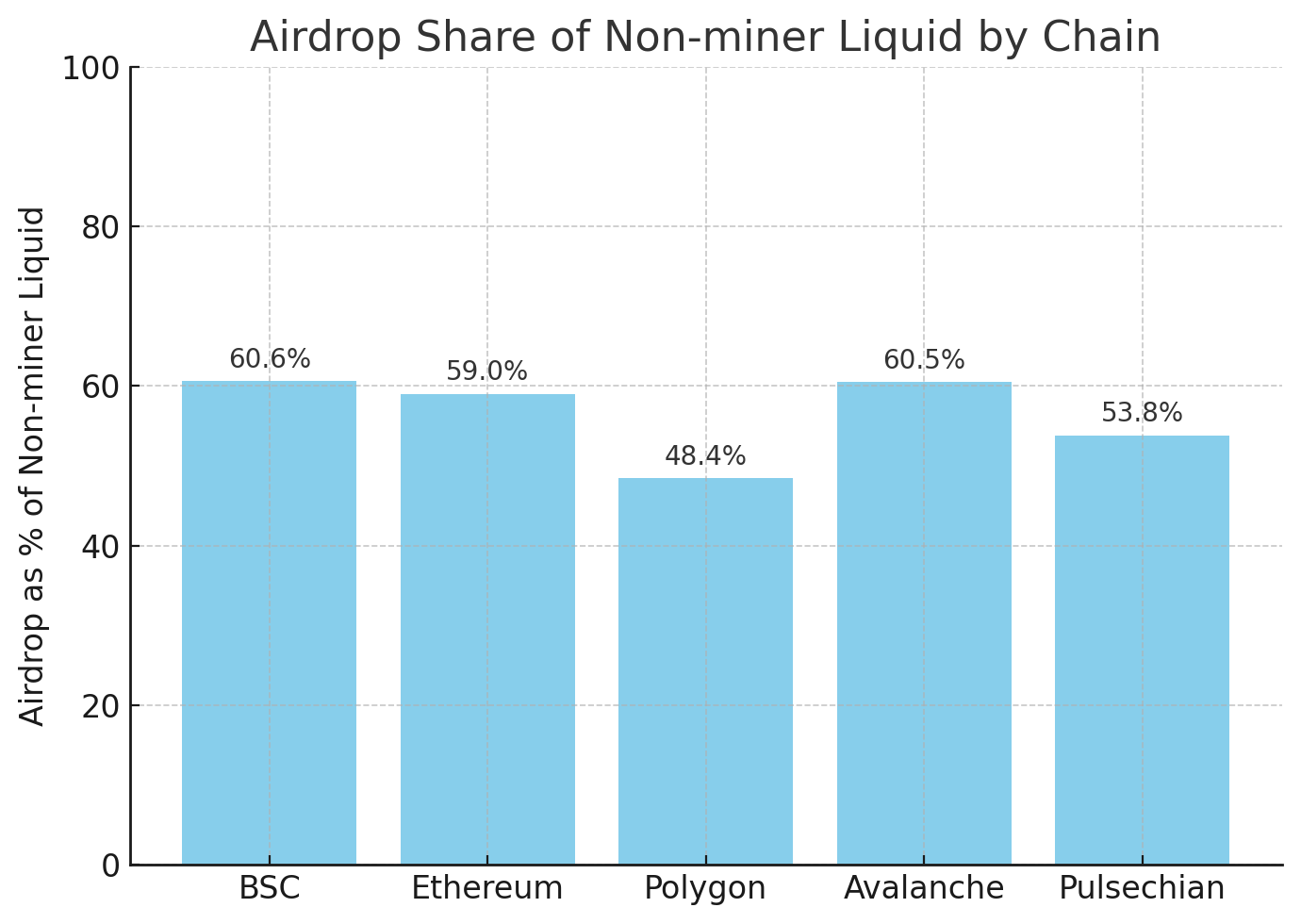
Some interesting views into participation of miner and non-miners.
Participation
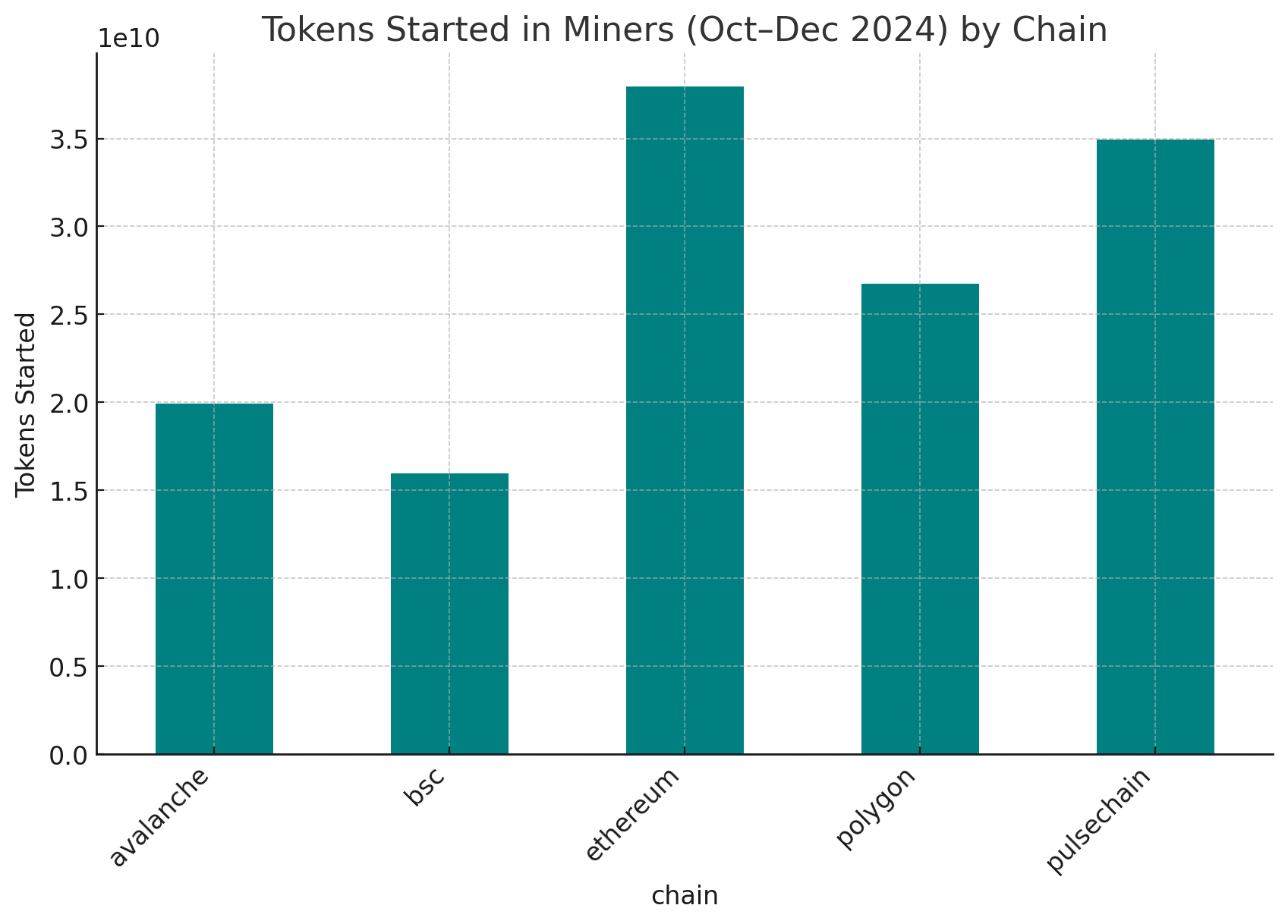
Between October 1, 2024 and December 31, 2024, both miners and non-miners had a chance to decide if and how to participate in the Airdrop. Some made a decision to vote the Airdrop, others doubled-down on starting new miners.
Almost 40% started new miners.
Here is some stats on wallets that have decided to lock Geni in miners vs. voting airdrop, per chain:
Avalanche: ≈ 19.9B
BSC: ≈ 16.0B
Ethereum: ≈ 38.0B
Polygon: ≈ 26.8B
Pulsechain: ≈ 34.9B
Altogether, about 137.3B GENI tokens were newly started in miners during that quarter
Ethereum and Pulsechain led with the largest inflows (≈38B and ≈35B respectively).
Avalanche and Polygon followed in the mid-20B range.
BSC saw the smallest intake (~16B).
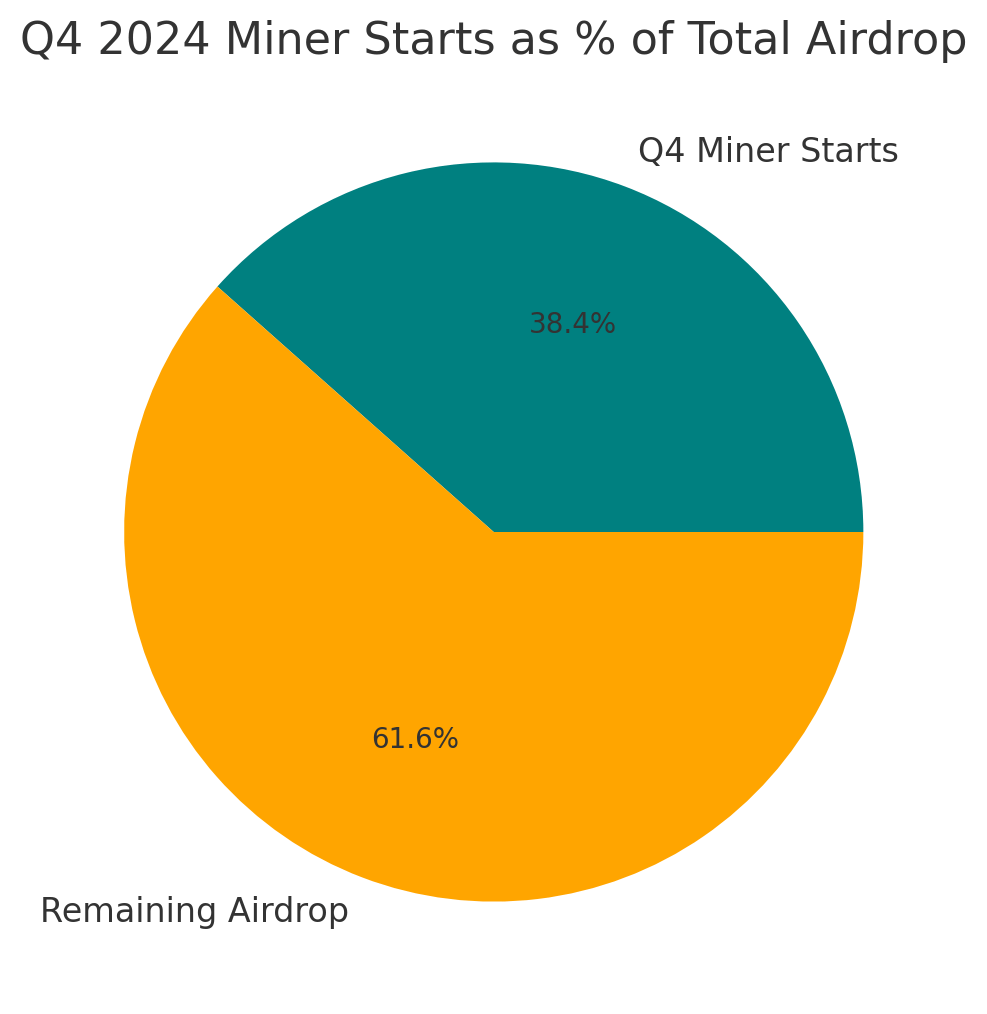
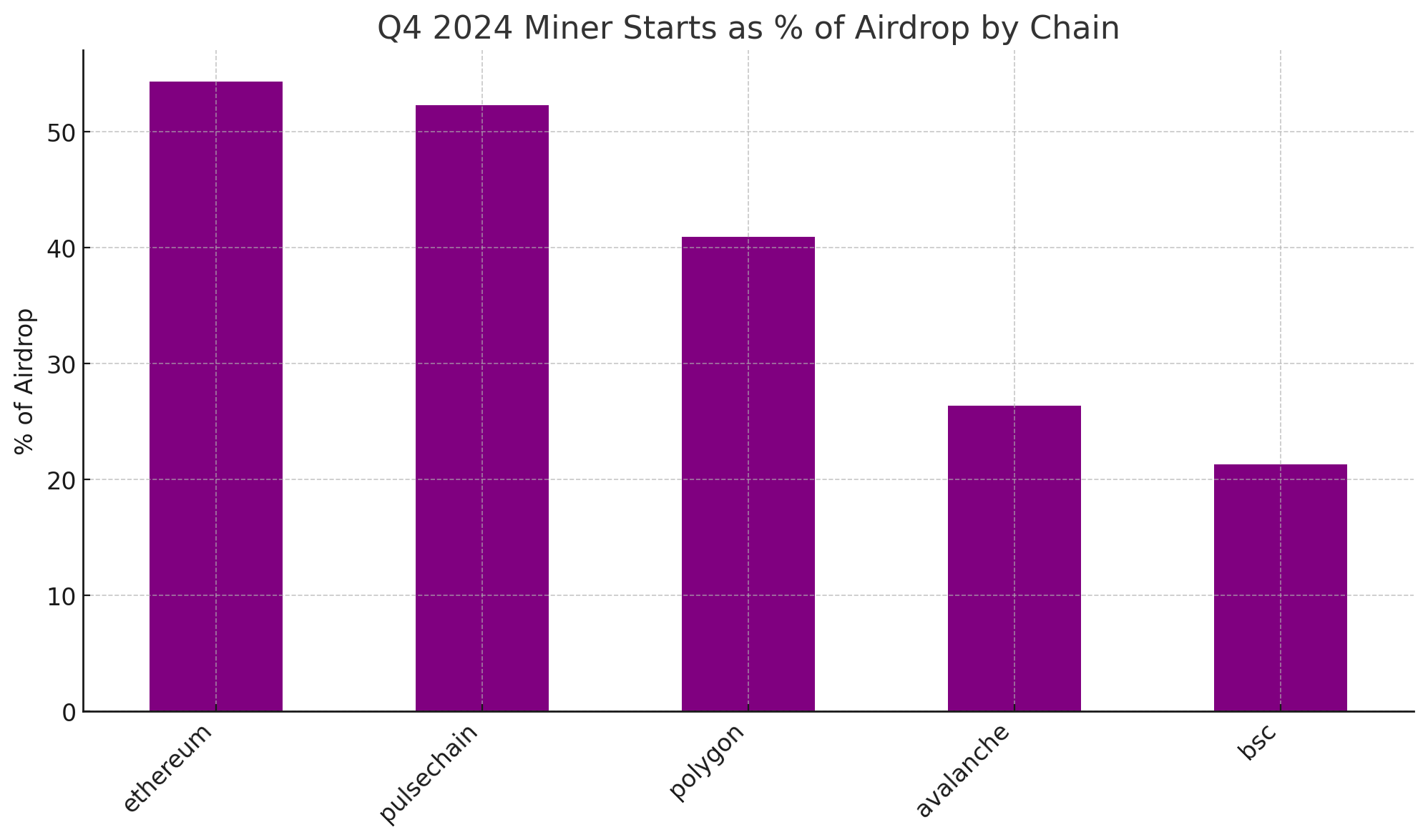
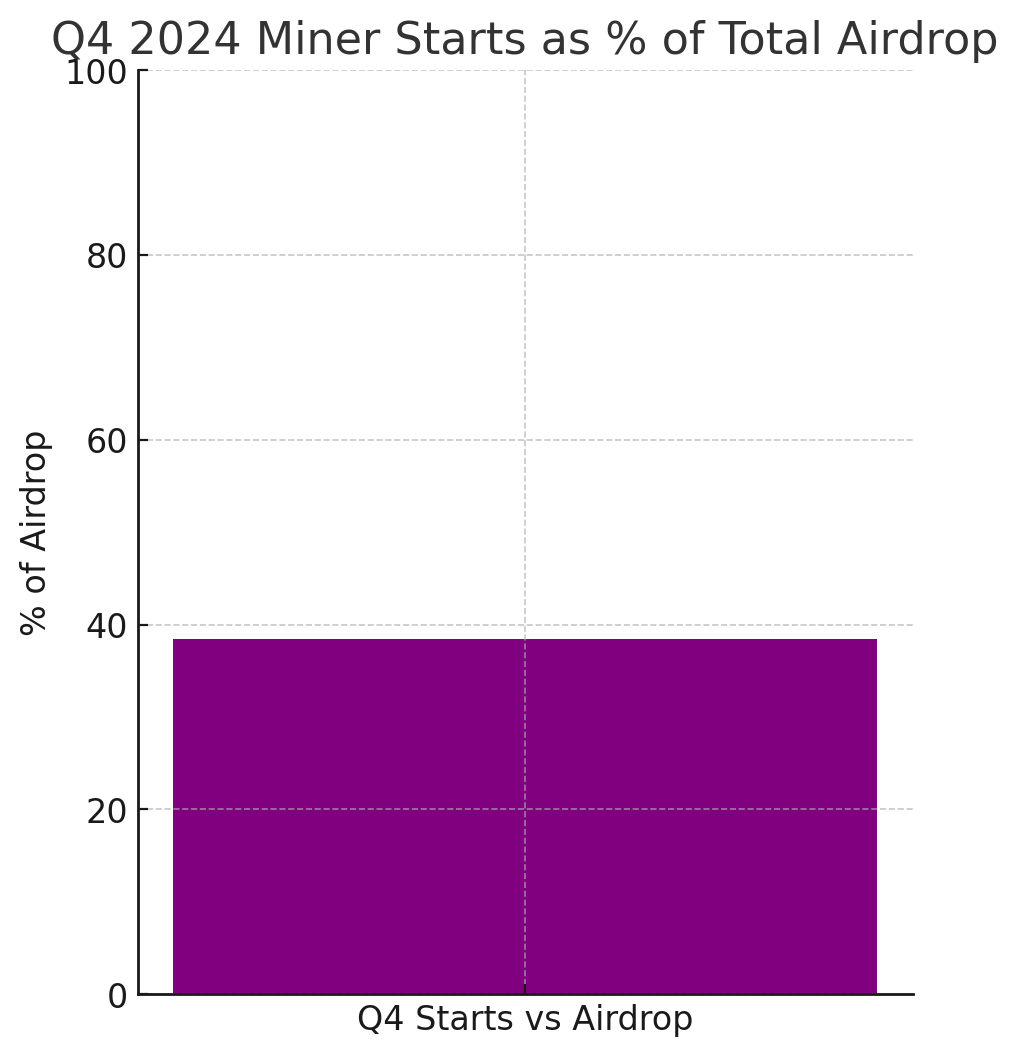
Here’s the overlay of miner starts in Q4 2024 vs the airdrop:
Avalanche: 19.9B started → 26.4% of airdrop
BSC: 16.0B started → 21.3% of airdrop
Ethereum: 38.0B started → 54.3% of airdrop
Polygon: 26.8B started → 40.9% of airdrop
Pulsechain: 34.9B started → 52.3% of airdrop
All chains combined:
Q4 2024 miner starts: ≈ 135.5B GENI
Airdrop total: ≈ 352.6B GENI
Q4 starts / Airdrop: ≈ 38.4%
Parting thoughts
40% of miner wallets voted to start miners during Q4 ‘2024 vs. Airdrop with their liquidity.
20-28% total liquid voted the Airdrop.
Non-miners hold the majority of liquid supply of 802B which will have to be locked in miners for the V2 carry over, or paired up with liquidity
38b of late miners that may never come over properly (lost supply).
840B is potentially either stranded on v1 or being locked into close to average miner positions (tbd by AI).
Really interesting data here. Lots to digest.